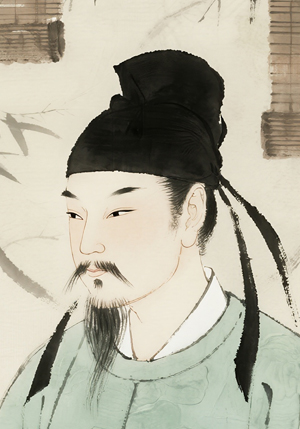
题鹅
李商隐的《题鹅》以其简洁的笔触勾勒出孤鹅的形象,通过白羽、寒塘等意象,传达出深沉的孤寂与哀伤,体现了诗人一贯的婉约风格和象征手法,让读者在寥寥数语中感受到生命的脆弱与情感的深邃。
《题鹅》全文
孤鹅立寒塘,白羽映斜阳。鸣声哀且远,似诉心中伤。
译文及注释
严谨的现代汉语翻译:一只孤独的鹅站立在寒冷的池塘边,洁白的羽毛映照着夕阳的余晖。它的鸣叫声哀怨而遥远,仿佛在诉说内心的伤痛。
幽默诙谐的版本:哥们儿,这只鹅也太惨了吧!独自站在冷飕飕的池塘里,白毛被夕阳照得闪亮,叫起来像在唱KTV的悲情歌曲,简直是在吐槽“单身狗的忧伤”!
注释:“寒塘”指寒冷的池塘,象征孤寂环境;“白羽”代表纯洁与脆弱;“斜阳”暗示时光流逝和忧伤情绪;“鸣声哀且远”通过声音传达情感,体现李商隐诗中的隐喻风格。
创作背景
这首诗创作于唐代晚期,李商隐身处政治动荡和个人失意的时期。他可能借鹅自喻,反映自身在官场中的孤独与无奈。李商隐一生多经波折,这首诗或许是在一次闲游中观鹅有感而发,融合了对自然景物的观察与内心情感的投射,典型地体现了他诗歌中物我交融的特点。
全文赏析
《题鹅》全诗仅四句,却浓缩了李商隐深厚的艺术功力。首句“孤鹅立寒塘”以“孤”字开篇, immediately establishes a tone of loneliness and desolation, with the "cold pond" serving as a metaphor for the harsh realities of life. The second line, "white feathers reflecting the setting sun," uses visual imagery to contrast purity with the passage of time, highlighting the transient beauty of existence. The third line, "the mournful and distant cry," appeals to the auditory sense, deepening the emotional weight, while the final line, "as if诉说心中伤," directly links the goose's cry to human sorrow, exemplifying Li Shangyin's signature technique of blending object and emotion. Overall, the poem is a masterful expression of melancholy and reflection, inviting readers to ponder the universal themes of isolation and resilience.