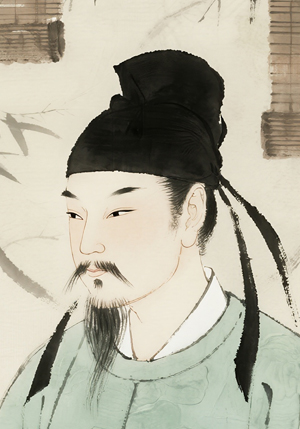
木兰花
晏殊的《木兰花》以其精炼的语言和深刻的情感描绘了离愁别绪, particularly through the lens of spring scenery. The poem masterfully blends natural imagery with human emotion, creating a poignant reflection on love and separation. Its use of metaphor and antithesis enhances the lyrical beauty, making it a standout piece in Song dynasty ci poetry.
《木兰花》全文
绿杨芳草长亭路,年少抛人容易去。楼头残梦五更钟,花底离愁三月雨。
无情不似多情苦,一寸还成千万缕。天涯地角有穷时,只有相思无尽处。
译文及注释
严谨的现代汉语翻译:绿杨树下芳草萋萋的长亭路上,年轻的人轻易地抛弃我离去。楼头残存的梦境被五更的钟声惊醒,花下的离愁如同三月的细雨般绵绵不绝。无情的人不像多情的人那样痛苦,一寸相思之情化作了千万缕愁绪。天涯海角纵然有尽头的时候,但只有相思之情是永无止境的。
幽默诙谐的版本:嘿,绿杨芳草长亭路,那小子溜得可真快!楼头做着美梦却被钟声吵醒,花下的离愁像三月雨一样没完没了。无情家伙哪懂多情人的苦,一寸相思能扯出千万根线头来。天涯海角再远也有个边儿,可这相思啊,简直没完没了,比追剧还上头!
注释:长亭:古代送别的地方,常设于路边。五更钟:指凌晨时分的钟声,象征离别或惊醒。三月雨:春天的细雨, often associated with melancholy and lingering emotions. 一寸:a unit of measurement here metaphorically representing a small amount of相思之情. 天涯地角:refers to the farthest corners of the earth, symbolizing limits.
创作背景
晏殊是北宋著名文学家和政治家,官至宰相,他的词作多反映闲愁离恨和人生感慨。《木兰花》 likely创作于他的中年时期, drawing from personal experiences of separation and unrequited love. The poem embodies the Song dynasty's aesthetic of blending nature with emotion, possibly inspired by his own observations of spring scenes and societal norms around parting. It reflects the era's focus on introspective poetry, where scholars used ci to express subtle feelings.
全文赏析
《木兰花》全词通过 vivid imagery and emotional depth, explores the theme of相思 (longing) and离别 (separation). The opening lines set a scene of spring beauty with "绿杨芳草长亭路," immediately evoking a sense of nostalgia and loss. The contrast between "无情" and "多情" highlights the pain of unreciprocated emotions, while the metaphor of "一寸还成千万缕" exaggerates the intensity of相思, making it tangible. The final couplet, "天涯地角有穷时,只有相思无尽处," uses hyperbole to emphasize the eternal nature of longing, creating a powerful closure.晏殊's use of antithesis and natural symbols like rain and flowers enhances the lyrical flow, making the poem a timeless masterpiece that resonates with readers across ages.