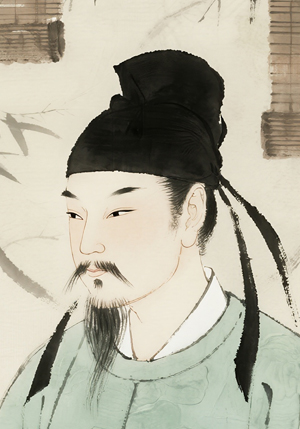
春风
王安石的诗作《春风》以其简练的语言和生动的意象著称,精彩之处在于通过春风这一自然元素,巧妙描绘出春季的生机与变化。诗中“绿如缲”和“烝红出小桃”等词句,运用比喻和拟人手法,将春风拂过柳树和桃花的动态美表现得淋漓尽致,同时“池暖水香鱼出处”一句,通过感官描写(视觉、嗅觉)营造出温暖的氛围,展现了诗人对自然细腻的观察和深厚的情感。
《春风》全文
春风过柳绿如缲,晴日烝红出小桃。
池暖水香鱼出处,一环清浪涌亭皋。
译文及注释
严谨的现代汉语翻译:春风吹过柳树,柳叶绿得像染过丝一样;晴朗的日子里,小桃花红艳艳地绽放。池塘温暖,水散发出香气,鱼儿游动出来;一圈清澈的波浪涌向水边的平地。
幽默诙谐的版本:春风大哥溜达过柳树,把柳条染得绿油油像刚出锅的青菜;太阳公公晒得小桃花脸蛋红扑扑,害羞地冒出来。池塘暖和得像个温泉浴池,水香喷喷的,鱼儿们忍不住跳出来透气;浪花一圈圈地翻滚,好像在玩水上滑梯,冲向岸边的小土坡。
注释:“缲”通“缫”,指染丝的过程,这里形容柳叶绿得鲜艳;“烝”意为蒸腾或显现,形容桃花在阳光下绽放;“出处”指鱼儿游动出现的地方;“亭皋”指水边的平地或亭台旁的河岸,常在中国古诗中象征自然闲适之地。
创作背景
这首诗创作于北宋时期, likely during Wang Anshi's later years when he was involved in political reforms or retreating to rural life. As a prominent statesman and poet, Wang often used nature imagery to reflect on life and society. The poem "Spring Breeze" may have been written around the 1070s, a time when he was promoting his New Policies, which aimed at social improvement. The piece captures a moment of spring renewal, possibly symbolizing his hopes for change or personal reflection on the cycles of nature and human affairs, blending his philosophical Daoist influences with a practical appreciation for the everyday world.
全文赏析
《春风》全诗以春风为核心意象,通过四句二十八字,勾勒出一幅 vibrant spring scene. The first line, "春风过柳绿如缲," uses a simile to compare the greenness of willow leaves to dyed silk, emphasizing the transformative power of spring. The second line, "晴日烝红出小桃," contrasts with the green through the red of peach blossoms, highlighting the warmth and vitality brought by sunlight. The third line, "池暖水香鱼出处," engages multiple senses—warmth and scent—to depict aquatic life awakening, while the final line, "一环清浪涌亭皋," concludes with a dynamic image of waves, suggesting endless motion and harmony. Overall, the poem reflects Wang Anshi's skill in blending natural observation with subtle emotional depth, possibly hinting at themes of renewal and resilience in face of life's challenges. The language is concise yet rich, making it a classic example of Song dynasty poetry that appeals to both the senses and the intellect.