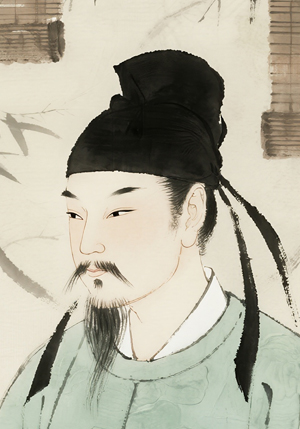
夜思
李商隐的《夜思》以其独特的朦胧意境和深沉情感著称,诗中通过夜色、孤灯、秋风等意象,巧妙融合了个人孤独与乡愁,展现了诗人细腻的内心世界和卓越的艺术手法,尤其是“泪湿青衫梦未安”一句,生动刻画了夜不能寐的哀愁,令人回味无穷。
《夜思》全文
夜色朦胧月半弯,孤灯伴影思无端。秋风萧瑟吹罗幕,泪湿青衫梦未安。
译文及注释
严谨的现代汉语翻译:夜色模糊,月亮呈半弯形状,孤独的灯盏陪伴着身影,思绪纷乱无绪。秋风凄凉地吹动着丝绸帷幕,泪水浸湿了青色衣衫,梦境却不得安宁。
幽默诙谐的版本:晚上黑乎乎的,月亮像个弯钩,我一个人对着灯发呆,脑子乱成一团麻。秋风呼呼地吹,把窗帘都掀起来了,哭得衣服湿漉漉的,连做梦都睡不踏实,真是夜猫子难熬啊!
注释:1. 朦胧:形容夜色模糊不清。2. 孤灯:孤独的灯光,象征寂寞。3. 思无端:思绪杂乱无头绪。4. 罗幕:丝绸制成的帷幕,代表奢华或孤独环境。5. 青衫:古代文人常穿的青色衣衫,暗示诗人的身份和哀伤。
创作背景
这首诗创作于李商隐晚年时期,大约在9世纪中期,当时诗人因政治失意和家庭变故,常处于孤独漂泊的状态。李商隐一生多次遭遇贬谪和人际纠纷,夜晚独处时,感怀身世,便借《夜思》抒发内心的孤寂与乡愁。诗中的“秋风”和“泪湿”等元素,反映了唐代文人常见的悲秋情怀和个人哀怨,背景也与他的其他作品如《夜雨寄北》一脉相承,强调了对故乡和亲人的深切思念。
全文赏析
《夜思》是李商隐诗歌艺术的典型体现,全诗以夜色为背景,通过“月半弯”“孤灯”“秋风”等意象,构建出一个凄美而朦胧的意境。首句“夜色朦胧月半弯” immediately sets a vague and melancholic tone, using the half-moon to symbolize incompleteness and longing. The second line, "孤灯伴影思无端," deepens the sense of solitude, with the lamp and shadow representing the poet's isolated state and chaotic thoughts. The third line introduces movement through "秋风萧瑟吹罗幕," where the autumn wind symbolizes change and decay, blowing through the curtains to evoke a feeling of unrest. The final line, "泪湿青衫梦未安," culminates in emotional climax, with tears and disturbed dreams highlighting the poet's inner turmoil and unresolved sorrow. Overall, the poem masterfully blends personal emotion with natural imagery, reflecting Li Shangyin's signature style of ambiguity and depth, and invites readers to contemplate the universal themes of loneliness and nostalgia.