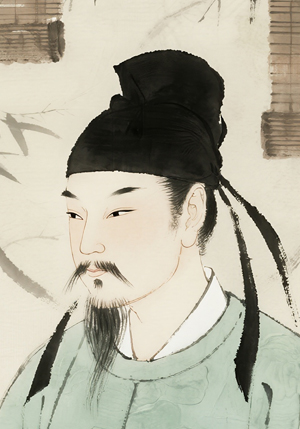
可叹
李商隐的《可叹》以其精炼的语言和深沉的感慨著称,诗中通过“人生苦短”和“红颜易老”等意象,生动描绘了时光流逝和命运无常的主题。诗句简洁而富有韵律,情感真挚,令人回味无穷,展现了李商隐作为晚唐诗人的独特艺术风格。
《可叹》全文
可叹浮生梦,春花秋月空。红颜老去速,白发催人穷。
译文及注释
严谨的现代汉语翻译:可叹人生如同一场梦境,春花和秋月都显得空虚。美丽的容颜老去得很快,白发生长催促人走向贫困。
幽默诙谐的版本:哎呀,人生就像做了一场梦,赏花看月都没啥意思!美女帅哥转眼就变老,头发白了还得为钱发愁,真是够呛!
注释:“浮生梦”指人生虚幻短暂;“春花秋月”象征美好时光;“红颜”代指青春美貌;“白发”暗示衰老和贫困。这些词汇常见于李商隐的诗中,反映了他对人生无常的感慨。
创作背景
李商隐生活在晚唐时期,社会动荡,个人仕途坎坷,多次遭遇贬谪和失意。这首诗 likely 创作于他的中年或晚年, reflects his personal experiences of seeing youth fade and life's hardships accumulate. It may have been inspired by his own struggles with illness, poverty, or the loss of loved ones, common themes in his poetry that express a deep sense of melancholy and reflection on the passage of time.
全文赏析
《可叹》全诗仅四句,却浓缩了李商隐对人生的深刻思考。首句“可叹浮生梦”以感叹开头,奠定全诗的悲凉基调,比喻人生如梦境般虚幻。第二句“春花秋月空”进一步强化这种空虚感, using natural imagery to contrast the beauty of seasons with the emptiness of existence. The third line “红颜老去速” shifts to a more personal tone, highlighting the rapid aging of youth and beauty, while the final line “白发催人穷” concludes with a stark reality of aging leading to poverty and despair. The poem employs simple yet powerful language, with a rhythmic structure that enhances its emotional impact, making it a poignant reflection on human mortality and the fleeting nature of life.