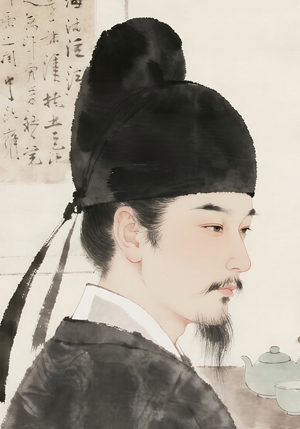
菩萨蛮 (萧萧几叶风兼雨)
纳兰性德的《菩萨蛮 (萧萧几叶风兼雨)》以其细腻的笔触和深沉的情感著称,词中通过“萧萧几叶风兼雨”的秋夜景象,勾勒出离人孤寂的心境。精彩之处在于词人巧妙运用自然意象与内心情感的交融,如“泪与灯花落”一句,将泪水与灯花并置,暗示了无尽的哀愁与时光流逝,增强了词的感染力。此外,“无处不伤心,轻尘在玉琴”以物喻情,玉琴上的轻尘象征着久未抚琴的 neglect,隐喻着思念之深,艺术手法高超,令人回味无穷。
《菩萨蛮 (萧萧几叶风兼雨)》全文
萧萧几叶风兼雨,离人偏识长更苦。欹枕数秋天,蟾蜍下早弦。 夜寒惊被薄,泪与灯花落。无处不伤心,轻尘在玉琴。
译文及注释
严谨的现代汉语翻译: 秋风萧瑟,几片叶子在风雨中飘零,离别之人尤其体会到长夜的痛苦。倚靠着枕头数着秋天的日子,月亮(蟾蜍指代月亮)早早地落下弦月。夜晚寒冷,惊觉被子太薄,泪水与灯花一同落下。 everywhere is sorrow, light dust settles on the jade zither (玉琴), symbolizing neglect and longing.
幽默诙谐的版本: 嘿,这秋风秋雨可真够呛,吹得叶子哗啦啦响,我这个离家的哥们儿觉得夜晚长得像蜗牛爬!躺着数秋天日子,月亮老兄也偷懒早下班了。晚上冷得被子薄得像纸,眼泪和灯花比赛谁先掉下来。哎,哪儿都让人伤心,连琴上都积了灰,好像说“主人,你多久没弹我了?”
注释: “萧萧”形容风雨声;“离人”指离别之人;“长更”指长夜;“欹枕”即倚枕;“蟾蜍”古诗词中常指月亮;“早弦”指月亮早落;“灯花”油灯燃烧时结成的花状物,古人认为预示吉凶,这里烘托哀伤;“玉琴”精美的琴,象征高雅情感。
创作背景
纳兰性德(1655-1685),字容若,清代著名词人,满洲正黄旗人,康熙朝进士,曾任侍卫。他的词作多受个人经历影响,尤其是早年丧妻、官场压抑带来的哀愁。这首《菩萨蛮 (萧萧几叶风兼雨)》 likely创作于康熙年间,纳兰性德身处宫廷侍卫之职,常感孤独与思念。词中 reflects his melancholy from separation (possibly from his wife or friends) and the autumnal imagery symbolizes the passage of time and personal loss. The poem embodies the typical "哀婉" (sorrowful and delicate) style of his ci poetry, influenced by his refined education and emotional depth.
全文赏析
《菩萨蛮 (萧萧几叶风兼雨)》是纳兰性德词中的佳作,全词以秋夜为背景,通过细腻的意象和深沉的情感,展现了离人的孤寂与伤心。上片“萧萧几叶风兼雨”开篇即营造出凄凉的氛围,风雨中的落叶隐喻人生的无常和离别之苦;“离人偏识长更苦”直接点明主题,突出离人对长夜的敏感体验;“欹枕数秋天,蟾蜍下早弦” further deepens the sense of time dragging on, with the moon's early descent adding to the desolation. 下片“夜寒惊被薄”转向 physical discomfort, mirroring inner coldness;“泪与灯花落”巧妙结合 visual and emotional elements, tears and lamp flowers falling together enhance the pathos;结尾“无处不伤心,轻尘在玉琴” uses the dust on the zither as a symbol of neglect and unexpressed emotions, suggesting that sorrow permeates everything. 艺术上,词人 employs concise language, rich imagery, and a melancholic tone, reflecting the influence of traditional Chinese poetry and his personal style. The poem not only conveys individual grief but also resonates with universal human experiences of separation and the passage of time, making it a timeless piece in Chinese literature.