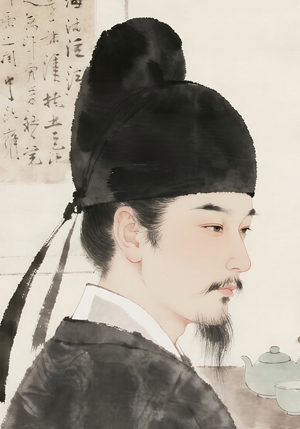
添字采桑子 (闲愁似与斜阳约)
纳兰性德的《添字采桑子 (闲愁似与斜阳约)》以其细腻的笔触和深沉的愁绪打动读者。词中“闲愁似与斜阳约”一句,巧妙地将无形愁绪与有形斜阳相约,意象生动,情感浓郁。后续“红到阑干。绿到阑干”通过色彩对比,强化了春景的绚烂与愁思的绵长,而“何处飞来双白鹭,点破春山”则突然引入动态元素,打破静谧,暗示内心波动。整首词语言精炼,意境深远,展现了纳兰性德婉约词风的典型特色。
《添字采桑子 (闲愁似与斜阳约)》全文
闲愁似与斜阳约,红到阑干。绿到阑干。何处飞来双白鹭,点破春山。
思量却似,无情有思,脉脉此情谁诉。斜阳外,寒鸦万点,流水绕孤村。
译文及注释
严谨的现代汉语翻译: 闲散的愁绪仿佛与夕阳相约,红色染到了栏杆上,绿色也染到了栏杆上。不知从哪里飞來一对白鹭,点缀并打破了春山的宁静。思量起来,似乎无情却又有情,这份深情脉脉向谁倾诉?夕阳之外,成千上万的寒鸦飞舞,流水环绕着孤独的村庄。
幽默诙谐的版本: 我这无聊的愁啊,跟夕阳哥们儿约好了,一起把栏杆染得红红绿绿的,像个调色板。突然,俩白鹭大哥飞来,一脚踩破春山的安静,搞得我心里七上八下。想想吧,这感情事儿,看似没心没肺,实则深情款款,可我能跟谁说去?夕阳那边,一群乌鸦在开派对,流水绕着个孤零零的村子转圈圈,简直像我一样孤单!
注释: “闲愁”指无端的愁绪;“斜阳”象征黄昏和时光流逝;“阑干”即栏杆,代表倚靠之处;“双白鹭”可能象征自由或干扰;“春山”喻指美好景色;“寒鸦”常表示凄凉;“流水绕孤村”描绘荒凉景象,整体反映词人内心的孤寂与无奈。
创作背景
这首词创作于清代康熙年间,出自纳兰性德(纳兰容若)之手。纳兰性德出身贵族,曾任康熙帝侍卫,但内心多愁善感,常借词抒发个人情感。作品 likely inspired by his personal experiences of love loss and existential melancholy, as he often wrote about the transience of life and beauty. The poem may have been composed during a period of reflection in his later years, blending natural imagery with emotional depth, reflecting the Confucian and Daoist influences of the time. It embodies the typical "婉约" (graceful and restrained) style of Ci poetry, popular in the Qing dynasty.
全文赏析
《添字采桑子 (闲愁似与斜阳约)》是纳兰性德词作中的佳作,全词以“闲愁”为核心,通过自然意象的铺陈,深刻表达了词人内心的孤寂与无奈。开篇“闲愁似与斜阳约” immediately sets a tone of melancholy, personifying愁绪 as a companion to the setting sun, which symbolizes the passage of time and fading beauty. The repetition of “红到阑干。绿到阑干” uses color imagery to contrast the vibrancy of spring with the persistence of sorrow, creating a visual and emotional tension.
中间句“何处飞来双白鹭,点破春山” introduces a sudden dynamic element—the white egrets—that disrupts the stillness, perhaps mirroring an unexpected emotional stir or memory. This shift highlights纳兰性德's skill in blending stillness and motion, enhancing the poem's lyrical quality. The latter part, “思量却似,无情有思,脉脉此情谁诉”, delves into introspection, exploring the paradox of emotions that seem indifferent yet are deeply felt, a common theme in his works that reflects his personal struggles with love and identity.
结尾“斜阳外,寒鸦万点,流水绕孤村” expands the scene to a broader, desolate landscape, using寒鸦 and流水 to reinforce themes of loneliness and impermanence. The poem overall exemplifies纳兰性德's ability to fuse classical Chinese poetic techniques with personal emotion, making it a timeless piece that resonates with readers across eras. Its structure, with added characters in the "添字" form, allows for richer expression, typical of纳兰性德's innovation within the Ci tradition.