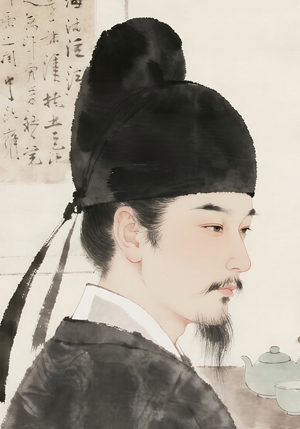
南乡子 (飞絮晚悠飏)
纳兰性德的《南乡子 (飞絮晚悠飏)》以其细腻的笔触和深情的意境著称。词中“飞絮晚悠飏”一句,生动描绘了晚风中柳絮轻扬的唯美画面,营造出一种淡淡的哀愁与宁静;“爱看晴丝百尺长”则通过少女的视角,巧妙表达了内心的柔肠与期盼,语言简洁却情感丰富,体现了纳兰词婉约动人的风格。
《南乡子 (飞絮晚悠飏)》全文
飞絮晚悠飏,斜日波纹映画梁。刺绣女儿楼上立,柔肠。爱看晴丝百尺长。 风定却闻香。吹落残红在绣床。休堕玉钗惊比翼,双双。共嗟此生此夜长。
译文及注释
严谨的现代汉语翻译:傍晚的柳絮轻轻飘扬,斜阳的波纹映照在雕梁画栋上。刺绣的少女站在楼阁上,柔肠百转。她喜爱看那晴空中的游丝长达百尺。风停了却闻到花香,吹落的残花飘落在绣床上。请不要让玉钗掉落惊扰了成双的鸟儿,它们双双对对,共同感叹这一生这一夜的漫长。
幽默诙谐的版本:柳絮在晚上嗨皮地飘啊飘,夕阳的波纹在房梁上蹦迪。绣花妹子站在楼上,心里小鹿乱撞,就爱看那天空中的长丝带。风一停,香味扑鼻,残花掉到绣花床上。别让首饰掉下来吓跑秀恩爱的鸟哥鸟姐,它们成双成对,一起吐槽这夜太漫长!
注释:“飞絮”指柳絮,“悠飏”形容飘扬的样子;“画梁”指装饰华丽的屋梁;“晴丝”是晴空中的游丝,象征纤细的情感;“残红”指落花;“比翼”比喻恩爱夫妻或情侣;“共嗟”表示共同叹息。
创作背景
这首词创作于清代初期,作者纳兰性德(1655-1685)是满洲正黄旗人,康熙朝进士,以词作闻名。纳兰性德一生多情善感,词风哀婉缠绵, often reflect his personal experiences of love and loss. This poem is believed to be inspired by a scene of a young woman waiting or longing, possibly reflecting纳兰性德's own melancholy and observations of feminine beauty in the imperial court or daily life. The work captures the fleeting nature of beauty and emotion, set against the backdrop of late spring or early summer evenings, common themes in his poetry.
全文赏析
《南乡子 (飞絮晚悠飏)》是一首典型的纳兰词,以细腻的笔法描绘少女的闺怨与自然景色的交融。上片开篇“飞絮晚悠飏” immediately sets a tranquil yet slightly melancholic tone, using the image of floating willow catkins to symbolize transience and beauty. The phrase “斜日波纹映画梁” adds a visual layer of fading sunlight reflecting on ornate beams, enhancing the sense of fleeting time. The focus on the “刺绣女儿” (embroidering maiden) standing alone upstairs with “柔肠” (tender heart) reveals a deep emotional undercurrent of loneliness and yearning, while “爱看晴丝百尺长” metaphorically expresses her longing for something unattainable, like the endless silk threads in the sky.
下片“风定却闻香” shifts to a sensory detail—the scent after the wind dies down—which subtly hints at hidden emotions. “吹落残红在绣床” introduces a touch of pathos, as fallen petals on the embroidery bed symbolize faded beauty and lost chances. The admonition “休堕玉钗惊比翼” adds a dramatic element, warning against disturbing the paired birds, which serves as a contrast to the maiden's solitude, emphasizing themes of love and companionship. The concluding line “共嗟此生此夜长” resonates with a sigh over the length of life and night, encapsulating纳兰性德's characteristic blend of natural imagery and human emotion, making the poem a poignant reflection on the impermanence of joy and the depth of sentimental attachment.