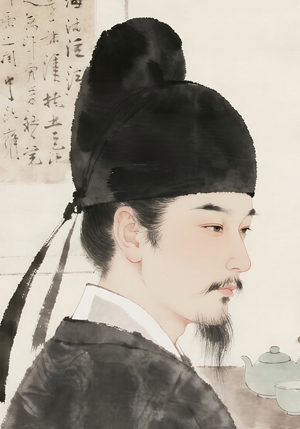
剪湘云 (险韵慵拈)
纳兰性德的《剪湘云 (险韵慵拈)》以其婉约词风和细腻情感著称,精彩之处在于“险韵慵拈,新声醉写”一句,通过“险韵”和“慵拈”的对比,生动描绘了词人闲适慵懒却又醉心创作的心境,同时“江山如画,付与闲莺燕”以自然意象寄托人生感慨,展现了纳兰词特有的哀婉与超脱。
《剪湘云 (险韵慵拈)》全文
险韵慵拈,新声醉写。江山如画,付与闲莺燕。几回疏雨滴圆荷,梦回时、酒醒初过。飘零恨,依依芳草,天涯何处。
译文及注释
严谨的现代汉语翻译: 懒散地拈取险韵作诗,醉意中谱写新声。江山美景如画,却交付给闲散的莺燕欣赏。几次稀疏的雨滴落在圆圆的荷叶上,梦醒时分,酒意刚过。漂泊的恨意,如同依依芳草,天涯海角,不知归处。
幽默诙谐的版本: 哥们儿懒洋洋地玩着高难度的诗词韵脚,喝高了乱写新歌。这大好河山,简直像送给那些闲得蛋疼的鸟儿们当背景板。好几回小雨滴答在荷叶上,把我从美梦中吵醒,酒还没全醒呢。感觉自己像根流浪的小草,飘来飘去,找不到北!
注释: “险韵”指诗词中难以押韵的字;“慵拈”表示懒散地选取;“新声”指新创作的词曲;“闲莺燕”比喻闲适的自然景物或人;“疏雨滴圆荷”描绘雨滴荷叶的静谧场景;“飘零恨”表达漂泊无依的愁绪;“依依芳草”象征缠绵的离别之情。
创作背景
纳兰性德(1655-1685),字容若,满洲正黄旗人,清代著名词人,康熙年间任职侍卫,出身贵族却多感伤怀旧。《剪湘云 (险韵慵拈)》 likely创作于其晚年, reflect his personal struggles with love, loss, and the constraints of court life. The poem embodies his characteristic melancholy style, influenced by the political stability of the Kangxi era and his own introspective nature, often drawing on themes of nature and emotional solitude.
全文赏析
《剪湘云 (险韵慵拈)》全词以“险韵慵拈”开篇, immediately sets a tone of leisurely creativity mixed with challenge, using “险韵” to highlight the artistic difficulty and “慵拈” to convey a sense of casual elegance. The imagery of “江山如画,付与闲莺燕” subtly critiques the waste of beauty on the careless, reflecting纳兰性德’s own feelings of being unappreciated in the imperial court. The middle section with “疏雨滴圆荷” creates a vivid, sensory experience of tranquility, while “梦回时、酒醒初过” transitions to a introspective mood, symbolizing the awakening from illusions. The conclusion “飘零恨,依依芳草,天涯何处” powerfully encapsulates the theme of wandering and unresolved sorrow, using nature metaphors to express deep emotional turmoil. Overall, the poem masterfully blends classical poetic form with personal emotion, showcasing纳兰性德’s ability to transform simple scenes into profound meditations on life and identity.