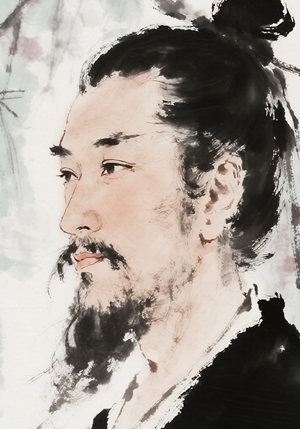
故人张諲工诗善易卜兼能丹青草隶顷以诗见赠聊获酬之
这首诗以简洁的语言高度概括了友人张諲的多才多艺,同时表达了王维的酬答之情。精彩之处在于王维通过寥寥数语,既赞美了张諲在诗歌、易卜、绘画和书法方面的卓越才能,又流露出深厚的友情和谦逊的态度。诗中的“工诗善易卜”和“兼能丹青草隶”凸显了张諲的全才形象,而“聊获酬之”则体现了王维的随和与真挚,使整首诗充满人文关怀和艺术感染力。
《故人张諲工诗善易卜兼能丹青草隶顷以诗见赠聊获酬之》全文
故人张諲工诗善易卜,兼能丹青草隶。顷以诗见赠,聊获酬之。
译文及注释
严谨的现代汉语翻译:老朋友张諲擅长诗歌和易经占卜,同时还能绘画以及草书和隶书。不久前他赠诗给我,我姑且以此诗酬答他。
幽默诙谐的版本:老张这哥们儿真牛,写诗算命一把好手,画画写字也不赖。前几天突然送我首诗,我只好回一首意思意思,别嫌我敷衍啊!
注释:张諲:王维的朋友,生平不详,但据史料记载是位多才多艺的文人。工诗:擅长诗歌。善易卜:精通易经占卜。丹青:指绘画。草隶:草书和隶书,代表书法艺术。顷:不久前。见赠:赠给我(见表示被动或尊敬)。聊:姑且、暂且。酬:酬答、回应。
创作背景
这首诗创作于唐代,具体时间不详,但 likely 在王维的晚年或中年时期,当时他与张諲交往密切。张諲是王维的故友,以其在诗歌、易学、绘画和书法方面的才能闻名。据历史背景,唐代文人之间常以诗歌赠答来维系友情和展示才学,张諲先赠诗给王维,表达敬意或交流技艺,王维便以此诗酬答,既是对友人才能的赞赏,也是文人雅士间常见的礼貌回应。王维自身作为山水诗派的代表,崇尚自然与艺术,这首诗反映了他对多学科交融的欣赏和唐代文化繁荣的氛围。
全文赏析
这首诗虽短小精悍,却蕴含深意。从内容上看,王维以“故人”开头, immediately establishes a personal and intimate tone, highlighting the friendship between them. The description of Zhang Yin's talents in poetry, divination, painting, and calligraphy is not merely a list but a celebration of interdisciplinary artistry, reflecting the Tang Dynasty's emphasis on cultivated gentlemen who excelled in multiple fields. The phrase "聊获酬之" (I姑且酬答) conveys a sense of humility and spontaneity, suggesting that Wang Wei's response is heartfelt rather than forced, which aligns with his philosophical leanings towards simplicity and authenticity in his poetry.
In terms of literary style, the poem is written in a prose-like verse, which was common in Tang occasional poetry. It lacks the elaborate imagery of Wang Wei's landscape poems but retains his characteristic conciseness and depth. The structure is straightforward: first praising Zhang Yin's abilities, then acknowledging the gift of poetry, and finally offering a reciprocal gesture. This mirrors the Confucian ideal of reciprocity in relationships, while also embodying Daoist influences through its unadorned language.
Culturally, the poem serves as a snapshot of Tang scholarly life, where poetry was a medium for social interaction and intellectual exchange. Wang Wei's appreciation for Zhang Yin's diverse skills underscores the period's integration of art, science (as seen in易卜), and literature, making it a valuable historical artifact. Overall, this short piece is a testament to Wang Wei's ability to convey profound respect and camaraderie within a few lines, leaving a lasting impression of friendship and mutual admiration.