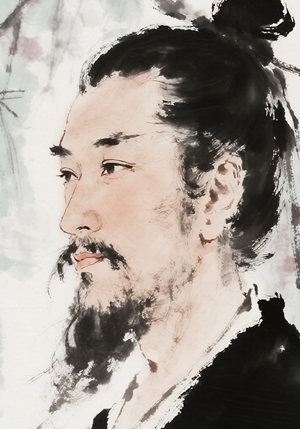
白石滩
王维的《白石滩》以其简洁明快的语言和清新自然的意象,展现了唐代山水田园诗的独特魅力。诗中通过“清浅白石滩”和“浣纱明月下”等画面,勾勒出一幅宁静和谐的田园生活图景,体现了诗人对自然美的敏锐捕捉和隐逸情怀的表达。语言精炼,意境深远,读来令人心旷神怡。
《白石滩》全文
清浅白石滩,绿蒲向堪把。家住水东西,浣纱明月下。
译文及注释
严谨的现代汉语翻译: 清澈浅显的白石滩,绿油油的蒲草几乎可以用手握住。家住在水的东边和西边,在明月下洗涤纱衣。
幽默诙谐的版本: 嘿,这白石滩水清得能照镜子,绿蒲草长得都快能当抱枕了!俺家就住在河两岸,晚上月亮出来时,妹子们还在那儿洗衣服,简直像开派对一样热闹!
注释: “清浅”指水流清澈而浅显;“白石滩”是滩涂地名,以白色石头著称;“绿蒲”是一种水生植物蒲草;“向堪把”表示几乎可以用手握住,形容蒲草茂盛;“家住水东西”指人们居住在水流的两侧;“浣纱”指洗涤纱衣,古代常见的生活场景;“明月下”强调在月光下的宁静氛围。
创作背景
《白石滩》是唐代诗人王维的作品,创作于盛唐时期,约公元8世纪。王维深受佛教思想影响,晚年隐居蓝田辋川,追求自然与心灵的和谐。这首诗 likely inspired by his daily observations in the countryside, reflecting his love for pastoral life and his philosophical contemplation on simplicity and beauty. The poem is part of his larger body of work that celebrates the tranquility of nature, often set against the backdrop of political turmoil in the Tang Dynasty, offering an escape into a idealized world.
全文赏析
《白石滩》全诗仅四句,却浓缩了丰富的意象和情感。首句“清浅白石滩”以视觉意象开篇,描绘出滩涂的清澈与宁静, immediately immersing the reader in a serene environment. The second line, “绿蒲向堪把,” uses tactile imagery to emphasize the lushness of nature, suggesting a sense of abundance and vitality. The final two lines, “家住水东西,浣纱明月下,” shift to human activity, portraying a simple, harmonious life where people live in harmony with their surroundings, under the gentle glow of the moon. This structure highlights Wang Wei's skill in blending natural scenery with human elements, creating a cohesive whole that evokes a sense of peace and nostalgia. The poem's language is economical yet evocative, typical of Wang Wei's style, which often employs minimalism to convey profound emotions. Overall, it serves as a testament to the poet's ability to find beauty in the ordinary and to express a deep connection with the natural world.