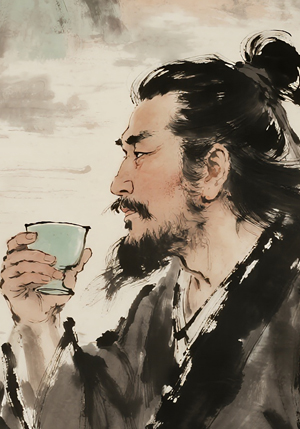
江神子(玉人家在凤凰山)
辛弃疾的《江神子(玉人家在凤凰山)》以其婉约深情的笔触,描绘了一幅春日离别的哀愁画面。词中“只有梨花枝上雨,和泪说,春阑珊”一句尤为精彩,通过梨花带雨的意象,将自然景物与人物情感巧妙融合,既表现了春光的消逝,又隐喻了离人的泪水,语言凝练而意境深远,充分展现了辛弃疾词作中柔美与豪放并存的独特风格。
《江神子(玉人家在凤凰山)》全文
玉人家在凤凰山,水云间,掩门关。记得年时,相见画屏间。只有梨花枝上雨,和泪说,春阑珊。
译文及注释
严谨的现代汉语翻译: 那位如玉般的美人居住在凤凰山,山水云雾缭绕之处,她掩上门扉。还记得那年时光,我们曾在画屏间相见。如今只有梨花枝上的雨水,仿佛含着泪水诉说,春天即将逝去。
幽默诙谐的版本: 嘿,那位漂亮妹子住在凤凰山那边,云雾缭绕得像仙境,她还把门关得紧紧的。想当年,咱俩在屏风后面约会来着。现在倒好,只剩梨花上的雨点子,哭哭啼啼地说:“春天要溜号啦!”
注释: “玉人”指美丽的人,常用来形容女子;“凤凰山”是地名,可能指现实中的山或象征美好之地;“水云间”表示山水云雾交织的意境;“掩门关”意为关闭门户,暗示孤独或离别;“年时”指过去的时光;“画屏间”指装饰华丽的屏风后面,喻指幽会之处;“梨花枝上雨”以梨花和雨水象征哀愁和泪水;“春阑珊”表示春天即将结束,喻指美好时光的消逝。
创作背景
这首词创作于南宋时期,辛弃疾作为豪放派词人的代表, often expressed patriotic fervor, but this work reflects a more personal and melancholic side. It is believed to have been written during his periods of political frustration or personal loss, possibly inspired by a separation from a loved one or nostalgia for past happiness. The imagery of spring's end and tears may symbolize the decline of the Southern Song Dynasty or his own unfulfilled ambitions, blending personal emotion with broader historical context.
全文赏析
《江神子(玉人家在凤凰山)》全词以简洁的语言构建了一个哀婉的春日离别场景。开篇“玉人家在凤凰山” immediately sets a picturesque yet lonely tone, using “凤凰山” as a symbol of beauty and isolation. The phrase “水云间,掩门关” enhances this with natural imagery and a sense of closure, suggesting emotional distance. The recollection of “记得年时,相见画屏间” introduces a nostalgic element, contrasting past joy with present sorrow. The climax, “只有梨花枝上雨,和泪说,春阑珊,” masterfully employs pathetic fallacy, where nature mirrors human emotion—the梨花 (pear blossoms) and rain become metaphors for tears and fading youth. This词 exemplifies Xin Qiji's ability to blend婉约 (graceful) and豪放 (bold) styles, using minimal words to convey deep longing and the transient nature of life, making it a timeless piece in Chinese literature.