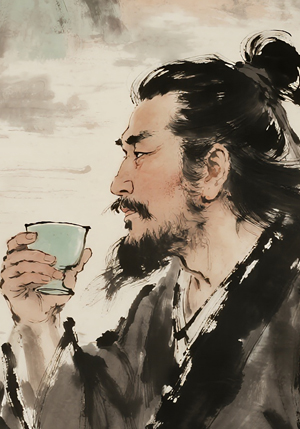
武陵春(走去走来三百里)
辛弃疾的《武陵春(走去走来三百里)》以其简洁明快的语言和深情婉转的意境著称, particularly the line "走去走来三百里" which vividly depicts the journey and the anxiety of return. The use of everyday imagery, such as the horse and the magpie, adds a layer of folk charm, making it relatable and emotionally resonant. The contrast between the promised five-day journey and the actual delay highlights the tension between expectation and reality, a common theme in Song dynasty poetry that reflects the poet's inner turmoil and longing.
《武陵春(走去走来三百里)》全文
走去走来三百里,五日以为期。六日归时已是疑,应是望多时。鞭个马儿归去也,心急马行迟。不免相烦喜鹊儿,先报那人知。
译文及注释
严谨的现代汉语翻译: 我走来走去行程三百里,原本约定五天内返回。但到第六天还未归家,心中已生疑虑,想必家人盼望已久。我鞭策马儿加快归程,内心焦急却觉得马儿行进太慢。不得已,只好麻烦喜鹊儿,先去报信给那个人知道。
幽默诙谐的版本: 哥们儿我溜达了三百里地,说好五天就回来,结果第六天还没到家,估计家里那位都快等成望夫石了!我使劲抽马屁股想快点,可这马儿像在散步,急死个人。没办法,只能拜托喜鹊大哥,先飞过去给那位报个信:别急,我马上到!
注释: "走去走来"指来回行走或旅程;"三百里"是虚指,表示长途;"五日以为期"是约定五天返回;"鞭个马儿"指用鞭子驱马;"喜鹊儿"在中国文化中象征喜讯或报信;"那人"可能指家人或爱人。
创作背景
这首词创作于辛弃疾晚年时期,大约在12世纪末,当时他因政治斗争被贬谪或外出任职, often experiencing displacement and homesickness. As a patriotic poet and military leader, Xin Qiji frequently expressed frustrations over unrealized ambitions and separation from family. This work reflects a personal journey, possibly inspired by actual travels or metaphorical wanderings, capturing the common human experience of delay and anticipation. The historical context of the Southern Song Dynasty's instability adds depth to the theme of uncertainty and longing.
全文赏析
《武陵春(走去走来三百里)》是一首典型的婉约词,通过简单叙事展现深沉情感。上片以"走去走来三百里"开篇,直接点明旅程的艰辛和约定,而"六日归时已是疑"转折出焦虑,暗示时间延误带来的心理压力。下片"鞭个马儿归去也"使用动作描写,强化归心似箭的急切,"心急马行迟"则通过主观感受突出矛盾,最后以喜鹊报信收尾,增添一丝民间传说色彩, soften the tension with a hopeful note. The poem blends realism and imagination, using minimalistic language to convey universal themes of love, promise, and the frustration of delay, showcasing Xin Qiji's mastery in capturing everyday moments with profound emotional impact.