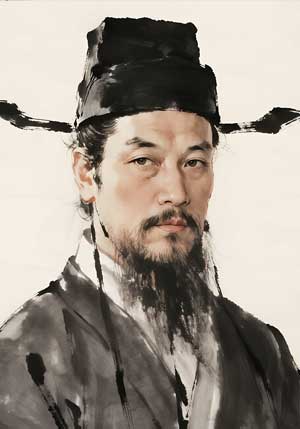
长歌行
《长歌行》一诗以其深刻的道教哲理和生动的自然意象著称, especially the lines "少壮不努力,老大徒伤悲", which emphasize the urgency of spiritual cultivation and the transience of life. The poem's language is concise yet evocative, blending nature metaphors with inner reflection to create a powerful message on seizing the moment for self-improvement.
《长歌行》全文
长歌行 青青园中葵,朝露待日晞。 阳春布德泽,万物生光辉。 常恐秋节至,焜黄华叶衰。 百川东到海,何时复西归? 少壮不努力,老大徒伤悲。
译文及注释
严谨的现代汉语翻译:园中青青的葵菜,早晨的露水等待太阳晒干。温暖的春天散布恩泽,万物闪耀光辉。常常害怕秋天到来,花朵和叶子枯萎变黄。百条江河向东流入大海,什么时候才能向西流回?年轻时不努力,年老时只能空自悲伤。
幽默诙谐的版本:嘿,园子里的葵菜绿油油,早上的露珠等着太阳来烘干。春天大哥撒福利,万物都亮闪闪。总担心秋天老哥来捣乱,花叶黄了蔫了。河水哗哗往东跑,进了大海就不回头。年轻时不拼一把,老了就只能哭唧唧后悔莫及。
注释:诗中的"青青园中葵"象征 youth and vitality, "朝露待日晞" represents the fleeting nature of time, and "百川东到海" metaphors the irreversible flow of life, all reflecting Taoist themes of impermanence and the need for diligent practice.
创作背景
尹志平作为全真教道士, likely composed this poem during his mid-life spiritual journey in the 13th century, drawing inspiration from Taoist teachings on nature and self-cultivation. It may have been written as a reflective piece amidst his monastic duties, emphasizing the importance of seizing youth for moral and spiritual development, influenced by his observations of seasonal changes and personal introspection.
全文赏析
《长歌行》全诗通过自然意象如葵菜、露水、江河等,隐喻人生的短暂和修道的紧迫。前四句描绘春景的生机,中间转向秋悲的忧虑,最后以警句收尾, urging readers to avoid regret through early effort. The structure mirrors Taoist cycles of growth and decay, with simple yet profound language that enhances its didactic tone, making it a timeless piece on human endeavor and spiritual awakening.