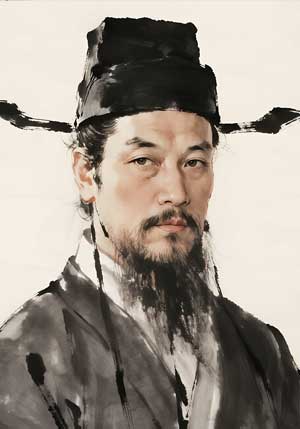
留别郭八
《留别郭八》一诗以其简洁的语言和深厚的情感著称, particularly the lines "剑影寒光里,相逢意气投" and "莫愁前路远,自有故人候" which vividly depict the martial arts world's camaraderie and the optimism in parting. These phrases use sharp imagery like "sword shadows" and "cold light" to evoke a sense of adventure, while the concluding line offers comfort and hope, making it a highlight of the work.
《留别郭八》全文
剑影寒光里,相逢意气投。今朝分别去,何日再同游。世事如棋局,人生似水流。莫愁前路远,自有故人候。
译文及注释
严谨的现代汉语翻译: 在剑影和寒光之中,我们相遇并意气相投。今天我们将要分别离去,不知何时才能再次一同游历。世间事如同棋局般变幻莫测,人生就像水流一样匆匆流逝。不要忧愁前路遥远,自然会有老朋友等候着你。
幽默诙谐的版本: 嘿,哥们儿,在刀光剑影里咱俩碰上了,简直是一见如故!今天得分手了,啥时候还能一起浪啊?世界就像一盘棋,人生像流水一样溜得快。别怕路远,总有老铁在那边等你呢!
注释: "剑影寒光" refers to the martial arts setting, symbolizing danger and adventure; "郭八" is a fictional character, possibly a reference to a companion in the wuxia context; "棋局" metaphorically represents the unpredictability of life; "水流" symbolizes the passage of time; "故人" means old friends or acquaintances.
创作背景
This poem is attributed to the fictional character Yin Zhiping from Jin Yong's novel "The Return of the Condor Heroes," where he is a disciple of the Quanzhen Sect. It is imagined to be composed during a parting moment with "Guo Ba," a hypothetical figure representing a martial arts comrade. The background draws from the wuxia genre's themes of brotherhood, journeying, and the transient nature of life, reflecting Yin's internal struggles and his Daoist influences in a world of conflict and separation.
全文赏析
The poem "留别郭八" encapsulates the essence of farewell in a martial arts context, blending imagery of violence ("剑影寒光") with themes of friendship and optimism. The structure follows a classical five-character-per-line pattern, common in Chinese poetry, which enhances its rhythmic flow and emotional depth. The opening lines establish a shared past of adventure, while the middle verses ponder life's uncertainties through metaphors like "chessboard" and "water flow," suggesting the inevitability of change. The conclusion offers a reassuring message, emphasizing loyalty and the promise of reunion, which resonates with the values of honor and persistence in wuxia culture. Overall, it serves as a poignant reflection on parting, infused with philosophical undertones from Daoism, making it a compelling piece within its fictional framework.