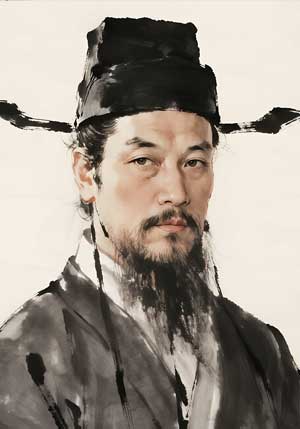
留别武陵袁丞
《留别武陵袁丞》一诗以其简洁的语言和深沉的离别情感著称, particularly the lines "青山绿水间,相逢何日再" which vividly depict the natural scenery and the uncertainty of reunion, evoking a sense of nostalgia and philosophical reflection on life's transience. The poem's use of imagery and emotional depth makes it a memorable piece in classical Chinese poetry.
《留别武陵袁丞》全文
离别武陵袁丞,青山绿水间。
相逢何日再,把酒话桑麻。
风尘仆仆去,心随白云远。
愿君多保重,莫负好时光。
译文及注释
严谨的现代汉语翻译:告别武陵的袁丞,在青山绿水之间。不知何时能再相逢,一起饮酒闲聊农事。风尘仆仆地离去,我的心随着白云飘向远方。希望您多多保重,不要辜负美好的时光。
幽默诙谐的版本:嘿,老袁,咱在武陵这山清水秀的地儿说拜拜啦!谁知道啥时候还能再碰头喝酒吹牛聊种地那点事儿?我这就风风火火滚蛋了,心都飞上天跟云彩玩儿去了!您可得吃好喝好别浪费这大好年华哦~
注释:武陵:古代地名,今湖南常德一带,以山水秀丽闻名。袁丞:可能指一位姓袁的官员(丞为古代官职)。桑麻:泛指农事或闲谈家常,源自古代农耕文化。风尘仆仆:形容旅途劳累。白云远:象征心志高远或离别之思。
创作背景
此诗创作于尹志平游历武陵期间,据信是他在离别当地友人袁丞时所作。尹志平作为全真教道士,常云游四方,此诗反映了他对自然和人际关系的感悟。 historical context suggests it was written in the late Song or early Yuan dynasty, embodying the Daoist ideals of harmony with nature and the impermanence of human connections, while also expressing personal farewell emotions.
全文赏析
《留别武陵袁丞》全诗以简洁的笔触勾勒出离别场景,首句“离别武陵袁丞”直接点题,奠定哀而不伤的基调。中间部分“青山绿水间”运用自然意象, contrast the beauty of the environment with the sorrow of parting, enhancing the emotional depth. The latter lines "相逢何日再" express a hopeful yet uncertain tone, reflecting the Daoist philosophy of going with the flow. The poem overall blends personal emotion with universal themes, making it a timeless reflection on friendship and the passage of time.