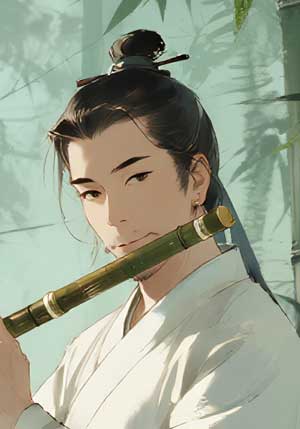
铜雀妓二首 其一
王勃的《铜雀妓二首 其一》以其深沉的历史感和细腻的情感描绘而著称。诗中通过铜雀台这一历史遗迹,巧妙融合了时空交错的手法,以“君王无处所”与“台榭若平生”的对比,突显了人事已非、物是人非的苍凉意境。语言简练而意象丰富,尤其是末句“谁见绮罗情”,以反问收尾,强化了无奈与哀怨之情,展现了王勃作为初唐四杰之一的卓越诗艺。
《铜雀妓二首 其一》全文
金凤邻铜雀,漳河望邺城。
君王无处所,台榭若平生。
舞席纷何就,歌梁俨未倾。
西陵松槚冷,谁见绮罗情。
译文及注释
严谨的现代汉语翻译: 金凤台邻近铜雀台,在漳河畔眺望着邺城。君王已无处可寻,但台榭还像生前一样矗立。舞席纷乱不堪,不知如何收拾,歌梁俨然挺立未曾倾颓。西陵的松树和槚树显得冷清,谁还能见到那些昔日绮罗美女的情意?
幽默诙谐的版本: 金凤台和铜雀台是隔壁老邻居,站在漳河边瞅着邺城瞎琢磨。皇帝大佬不知跑哪儿凉快去了,楼台却还装得像没事人似的立着。跳舞的席子乱成一团糟,唱歌的房梁倒是挺直腰板没倒下。西陵的树冷得直哆嗦,谁还care那些美女的柔情蜜意啊?
注释: 铜雀台:三国时期曹操所建,位于今河北临漳,象征权势与奢华;漳河:流经邺城的河流,常与历史事件关联;邺城:古都,曹操的统治中心;西陵:指曹操陵墓所在地,松槚代表墓地树木,冷清暗示荒凉;绮罗情:指铜雀台中妓女的娇媚情意,喻指逝去的繁华。
创作背景
王勃创作此诗于初唐时期, likely inspired by his travels or reflections on historical sites. The poem draws from the legacy of the Bronze Sparrow Terrace (铜雀台), built by Cao Cao during the Three Kingdoms period, which was famous for its courtesans and lavish entertainment. Wang Bo, known for his melancholic and reflective style, uses this setting to explore themes of transience and the passage of time, possibly as a critique of imperial extravagance or a personal meditation on mortality. The historical context of Tang Dynasty poets often revisiting ancient ruins to express existential angst adds depth to this work.
全文赏析
《铜雀妓二首 其一》是一首典型的怀古诗,王勃通过精细的意象和对比手法,营造出一种强烈的时空落差感。首联“金凤邻铜雀,漳河望邺城”以地理景观起兴, immediately establishing a historical panorama that bridges past and present. The middle verses,“君王无处所,台榭若平生” and “舞席纷何就,歌梁俨未倾”, employ vivid contrasts between the absent ruler and the enduring structures, highlighting the irony of human mortality versus architectural permanence. This duality is further emphasized in the finale,“西陵松槚冷,谁见绮罗情”, where the coldness of the tomb trees juxtaposes the vanished warmth of human emotion, evoking a profound sense of loss and futility. Wang Bo's use of concise language and evocative imagery not only critiques the ephemeral nature of power and pleasure but also resonates with broader philosophical themes on the inevitability of decay, making this poem a timeless reflection on the human condition.