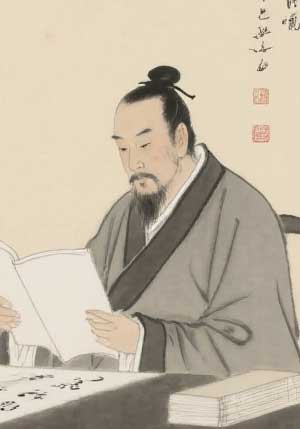
玉蝴蝶·是处小街斜巷
柳永的《玉蝴蝶·是处小街斜巷》以其细腻的笔触和生动的意象著称, particularly the lines "是处小街斜巷,烂游花馆,连醉瑶卮" which vividly depict the bustling streets and lavish entertainment venues of the Song Dynasty, creating a sense of immersion in the pleasure-seeking lifestyle. The description of the beauty in "选得芳容端丽,冠绝吴姬" and "倚风情态,约素腰肢" showcases柳永's mastery in portraying feminine charm with elegant language, using metaphors like "绛唇轻" (crimson lips) and "莲步稳" (lotus steps) to evoke a graceful and sensual image. These elements highlight the词's emotional depth and artistic refinement, making it a classic example of婉约词风 (graceful and restrained style).
《玉蝴蝶·是处小街斜巷》全文
是处小街斜巷,烂游花馆,连醉瑶卮。选得芳容端丽,冠绝吴姬。绛唇轻、笑歌尽雅,莲步稳、举措皆奇。出屏帏。倚风情态,约素腰肢。
当时。绮罗丛里,知名虽久,识面何迟。见了千花万柳,比并不如伊。未同欢、寸心暗许,欲话别、纤手重携。结前期。美人才子,合是相知。
译文及注释
严谨的现代汉语翻译:到处是小街斜巷,我尽情游逛于花街柳巷,接连醉饮玉杯美酒。选中了一位容貌端庄美丽的女子,她的美貌超越了所有吴地的歌姬。红唇轻启,笑声歌声都极雅致;莲步轻盈,一举一动都非凡奇特。她从屏风后走出,倚风而立姿态妩媚,腰肢纤细约素般柔美。那时,在锦绣丛中,虽早已听闻她的名声,却为何这么晚才相见?看遍了千花万柳,都比不上她。尚未一同欢乐,心中已暗自许下情意;想要话别时,又握住她纤细的手再次携手。约定未来的相会。美人才子,本应就是相知相惜的伴侣。
幽默诙谐的版本:嘿,这地方全是弯弯绕绕的小巷子,我像条浪里白条似的泡在高级会所里,一杯接一杯喝到嗨!挑了个颜值爆表的小姐姐,秒杀所有江南网红。她樱桃小嘴一开,笑声歌声逼格满满;走路带风,动作帅到没朋友。从帘子后面蹦出来,那风情万种的样儿,小腰细得跟PS过似的。当初啊,在土豪堆里混,早听说她大名,却拖到现在才面基?见了那么多花花草草,没一个能打的!还没一起嗨皮,我心里就小鹿乱撞了;要 say goodbye 时,又忍不住拉小手约下次。总之,帅哥美女,天生一对CP,妥妥的!
注释: "是处"意为到处;"小街斜巷"指弯曲的小巷,常代指娱乐场所;"烂游"表示尽情游玩;"花馆"指青楼或娱乐馆舍;"瑶卮"是玉制的酒杯,象征奢华;"吴姬"指吴地(今江苏一带)的美女, historically known for their beauty;"绛唇"即红唇;"莲步"形容女子步态轻盈,源自佛教意象;"屏帏"指屏风和帷幕;"约素"比喻腰肢纤细如束素;"绮罗丛"指富贵华丽的环境;"寸心暗许"表示心中暗自许诺情意;"纤手"指纤细的手;"结前期"意为约定未来的相会;"合是"意思是本应、自然是。这些词汇体现了柳永词中的婉约风格和宋代社会风情。
创作背景
柳永(约984年–1053年)是北宋著名词人,生活在城市经济繁荣的时期,仕途坎坷多次科举不第,导致他长期流连于汴京(今开封)等城市的娱乐场所,与歌妓交往密切,创作了大量反映市井生活和男女情爱的词作。《玉蝴蝶·是处小街斜巷》 likely written during his middle years around the 1020s-1030s, reflects his personal experiences of hedonistic pursuits and emotional attachments. The词 captures the atmosphere of Song Dynasty urban culture, where scholars and entertainers often interacted, and it embodies柳永's characteristic themes of love, beauty, and the transience of pleasure. Influenced by the婉约词派 (graceful school), this work may have been inspired by a specific encounter with a courtesan, expressing both admiration and a sense of fleeting joy, common in柳永's oeuvre as a response to his social marginalization and search for solace in art.
全文赏析
《玉蝴蝶·是处小街斜巷》是柳永婉约词的代表作,全词以第一人称视角展开,上片写景写人,下片抒情言志,结构清晰而情感层层递进。上片起始“是处小街斜巷,烂游花馆,连醉瑶卮” immediately immerses the reader in a vivid urban landscape, using sensory details to convey a life of pleasure and excess, which symbolizes the author's escape from societal pressures. The depiction of the beauty through “选得芳容端丽,冠绝吴姬” and subsequent lines employs rich imagery and metaphors, such as “绛唇轻” and “莲步稳”, to highlight her elegance and charm, reflecting柳永's skill in blending physical description with emotional nuance. The phrase “倚风情态,约素腰肢” not only paints a visual picture but also evokes a sense of delicate sensuality, characteristic of婉约词's subtle eroticism.
下片转向抒情,“当时。绮罗丛里,知名虽久,识面何迟” expresses a poignant regret for delayed meeting, enhancing the emotional depth with a contrast between fame and personal connection. “见了千花万柳,比并不如伊” uses hyperbole to emphasize the uniqueness of the beloved, elevating her above all others, which serves as a metaphor for the idealization of love in a transient world. The lines “未同欢、寸心暗许,欲话别、纤手重携” capture the tension between desire and separation, illustrating柳永's theme of impermanent joy, while “结前期。美人才子,合是相知” concludes with a hopeful note on destined kinship, reflecting Confucian ideals of harmony blended with romantic yearning.
Overall, the词 showcases柳永's mastery of language, rhythm, and emotional expression, making it a timeless piece that resonates with readers through its universal themes of love, beauty, and the human condition. Its artistic value lies in the seamless integration of scene-setting, character portrayal, and lyrical introspection, cementing柳永's legacy in Chinese literature.